

Into the Headwinds
Finding calm within nature’s sanctuary gives us strength to face life’s obstacles.

…Then she stopped,
where the first trout lilies of the year
had sprung from the ground
with their spotted bodies
and their six-antlered bright faces,
and their many red tongues.
If she spoke to them, I don't remember what she said,
and if they kindly answered, it's a gift that can't be broken
by giving it away.
All I know is, there was a light that lingered, for hours,
under her eyelids - that made a difference
when she went back to a difficult house, at the end of the day.
— Trout Lilies, by Mary Oliver
The sunlight is hazy and without heat this early in the year. I grab my binoculars, zip up my coat, and head for the trails. The sandy soil here is saturated from days of prolonged rainfall. I mind my step, careful to avoid the deepest puddles lest the water rise above my mud boots, though it wouldn’t be the first time. Overhead, a single windmill—shorter and narrower than the sleek, industrially white variety stacked across the state—spins ferociously fast. It creaks and whines, as if the whirling mechanism might detach from its support and just spin away, like the blades of a propeller.
For weeks the wind has been predictable only in its strength and the constancy of its force. It seems to push me from all directions. Driven by an increasingly erratic climate, winds speeds have, on average, increased globally. Over the noise of the windmill and the battering wind, I hear no birdsong.
Most hikers would bemoan or simply avoid these conditions—the mud, the cold made worse by the unrelenting wind. But these conditions are unavoidable in Wisconsin in April. And besides, this is my sanctuary, whatever the weather.
Every week, I drive far enough outside the greater Milwaukee metro area to a place where the influence of people on the landscape is less apparent (though never entirely invisible, for even the presence of a narrow dirt trail indicates our passage). Call it my religion, or call it sacrilegious, but this is where I find what’s sacred.
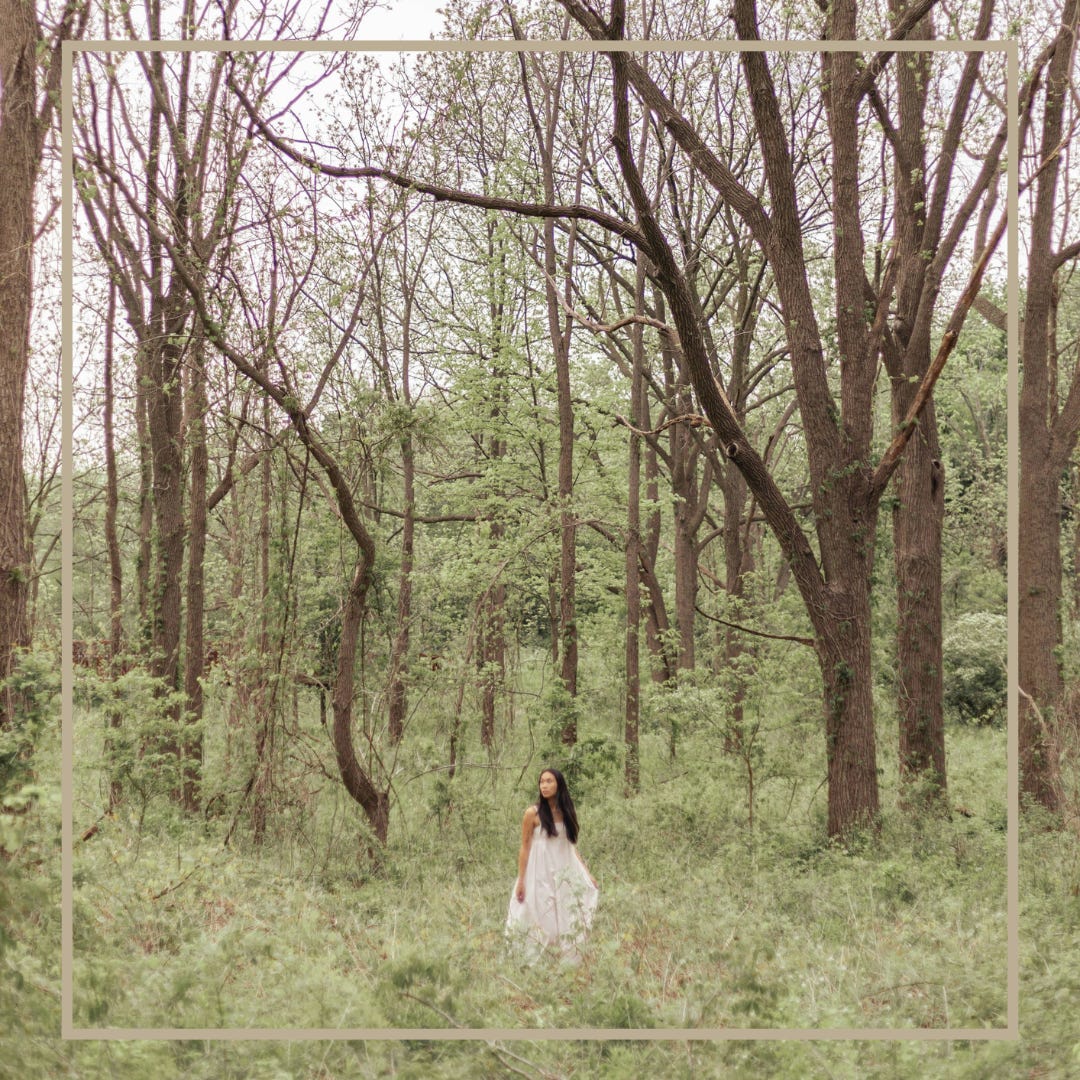
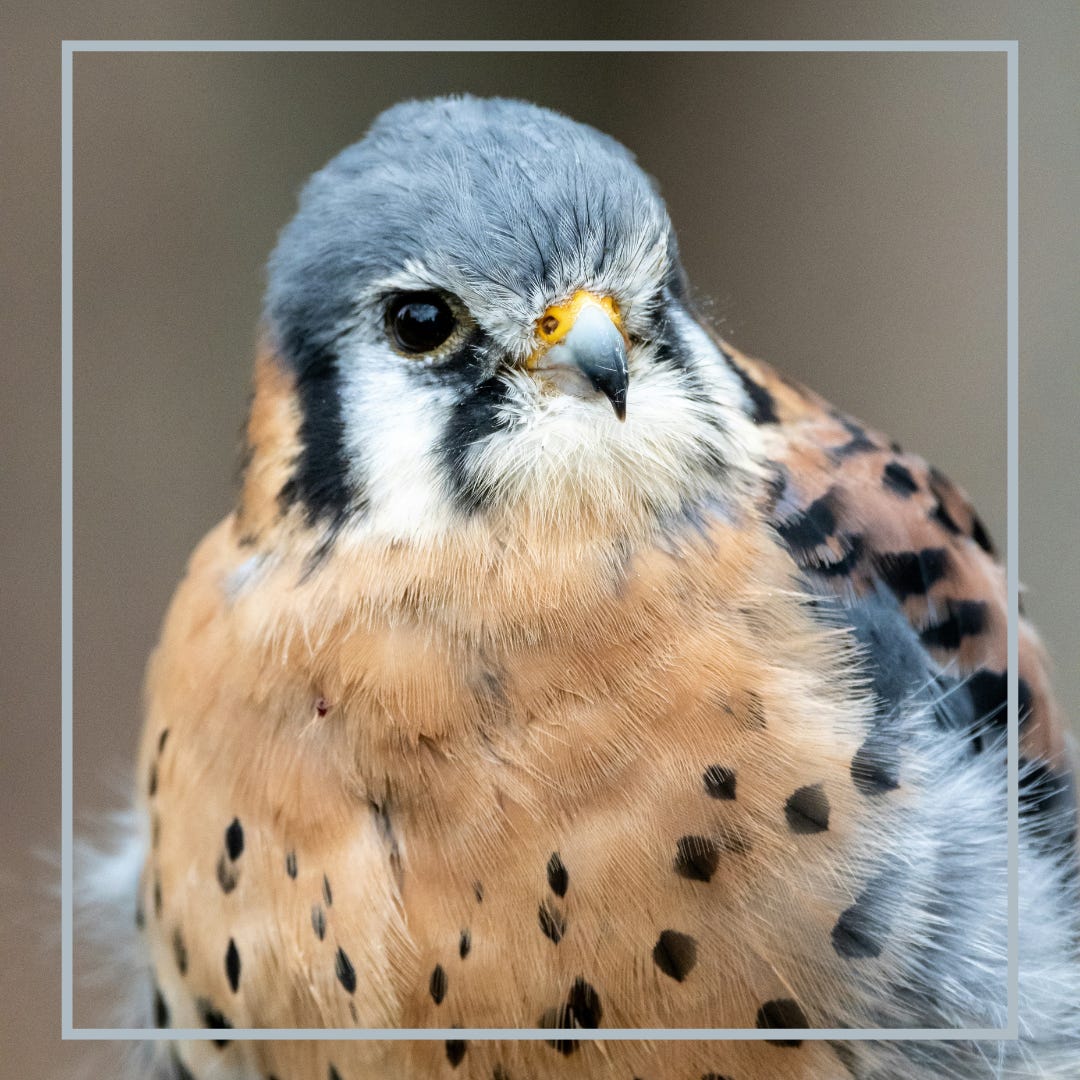
I climb a low-slung hill that bends over the prairie, walking into the wind. I’m not expecting to see much wildlife today, so I am pleasantly surprised to immediately spot a kestrel flying low above the Big Blue Stem and Indiangrass stripped free of seeds. The small, jay-sized falcon lands effortlessly on one of the young oaks, as if the wind is no impediment to its flight. It is joined a moment later by a second kestrel. Through my binoculars, I can see the male’s colorful plumage. His slate-blue cap and wing feathers contrasted by warm umber on the back and tail. But the kestrel’s most striking feature is the distinct black facial markings, two black stripes resembling war paint. Despite its size, the kestrel is a fierce predator that, like the shrike, stores surplus kills in trees, shrubs, and on fence posts.
Kestrels are a “sit-and-wait” hunting bird, surveying open grasslands and other foraging areas with short vegetation from on high. I watch until one takes off, bearing witness to its rarer hunting behavior: the hovering flight. Even in these gusty winds, the bird appears to float immobile in the air, like a dragonfly or a drone, before eventually diving behind the curvature of the hill. I walk on, seeking the shelter of a small woodland, a former woodlot on this reclaimed farmland turned habitat.
Amid tall stands of beech, maple, basswood, and dead ash, the wind subsides to almost nothing. Until this moment, I hadn’t registered how much energy my body had been consuming in the effort to withstand the changing, battering forces of the wind. Its absence is the cue for all my muscles to finally relax. It feels like taking the first deeps breaths during a yoga practice or meditation.
In the shelter of this woodland, the ruby-crowned kinglets dapple the air with their twinkling and chittering. A single chickadee calls from on high, chick-dee-dee-dee-dee. One high note from a Brown Creeper scaling the vertical crevices of tree bark. The robins’ musical alto unites all the individual birdsongs into spring’s most familiar harmony.
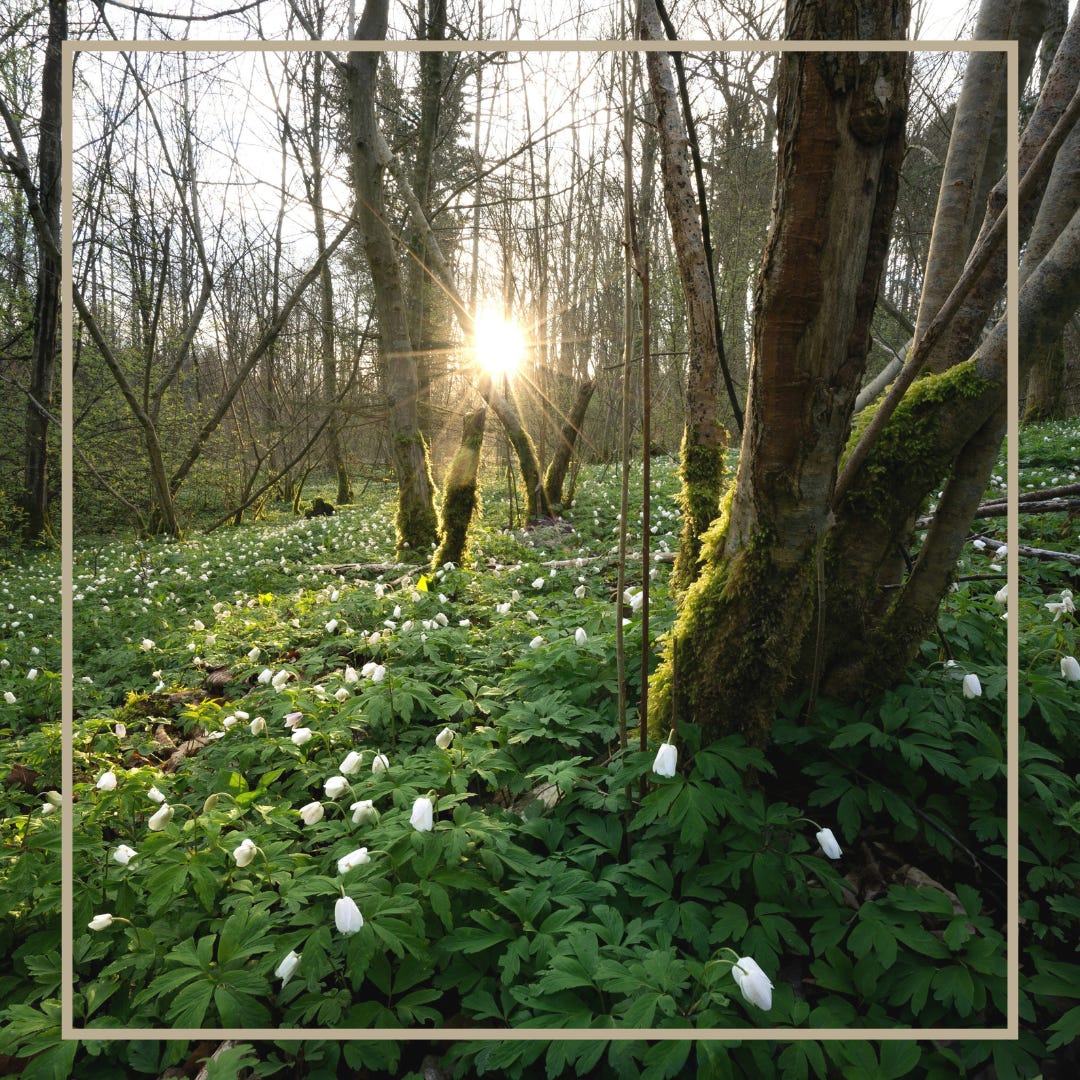
Only the faintest whisper of leaves graces the redcurrant stems, and no overstory yet to speak of, allowing sunlight to reach the forest floor. Wherever it lands, I find a cacophony of creamy white blossoms: bloodroot, toothwort, trillium, and trout lily. The flat umbrellas of new Mayapple leaves crowd together like pedestrians in the rain. A single Mourning cloak butterfly twirls amongst leafless branches.
The evidence of spring’s return represents more than just physical renewal, it is a spiritual one, too. When so many events we cannot control bombard us day after day, it can feel like there is no safe refuge, no calm harbor where we might anchor and seek shelter from the storm.
I rarely find relief from the human-made chaos among people or in the devices and luxuries we have made. Give me, instead, a laughing stream, a hillside bedecked in prairie flowers, and a remnant woodland carpeted in delicate white blossoms visited by bees.
When the winds driven by our failing culture feel harsh and unpredictable, when I can no longer withstand the unrelenting headwinds, I do not force my keel directly through. Instead, I veer off the well-worn path of righteous anger and social critique, into the sun-dappled woodlands. Standing beneath trees who have seen centuries, amid a flurry of birdsong, my attention is no longer directed inward at my swirling thoughts and cluttered mind. My senses draw me outside of myself. Taking time to notice the lives of other species is a necessary reminder that our way of living is far from the most interesting, our manmade troubles only a passing thing in the long history of our planet.
I’m not saying that we should ignore the world’s problems, that we should not strive to be better, more compassionate to the earth, each other, and ourselves. Rather, what I think we can all use is a broader, less human-centric perspective. The best way I know to cultivate that fresh point of view is to go outside. As I wrote in a previous essay, “In nature, we find a nonjudgmental space where it is possible to set aside our urgent cares and self-recrimination, if only for a few minutes.” It is also where the incessant noise of a rupturing culture and the meaningless chatter of biased media subside and fade to nothingness, unworthy of our precious attention.
My art and writing—here on Substack, in my books, and elsewhere—is my attempt to foster calm amid the chaos. Or, more accurately, it is my attempt to share the perspective I have achieved by spending time with nature. Something quietly profound happens when you learn to view the natural world not as a place to visit or, worse, just background scenery beyond your stretch of lawn. When you know the land and its inhabitants, you feel more connected to the place you live. You also begin to notice the harm our culture propagates like weeds while claiming that they’re flowers. You see the unnecessary complexity of all our toil and find that the things most people value are totally absurd. At first, the re-orientation can feel unsettling, even isolating. But slowly, that awakening can reshape your values and change how you live your life. The change in perspective can be as transformative as choosing between the red pill and the blue pill, between sleep and wakefulness.
Reorienting ourselves in this way removes humans from the top of a hierarchical pyramid, placing us instead amid the constellation of species, our earthly kin and our equals. It requires humility and patient practice. The classic Zen saying goes, “You should sit in meditation for 20 minutes a day. Unless you are too busy; then you should sit for an hour.” The same logic applies for spending time outside. We already know that time spent outdoors, especially in well-maintained green and blue spaces, is critically important for human health. What is often underappreciated is that our connection to the places we live is strengthened when we spend time outside. We are more likely to defend the forest where we jog, the riverside trail where we cycle, the lake where we learned to fish, or the bluffs where we sit and read. Places become meaningful to us as we get to know them, as our memories of visiting these places infuse them with meaning.
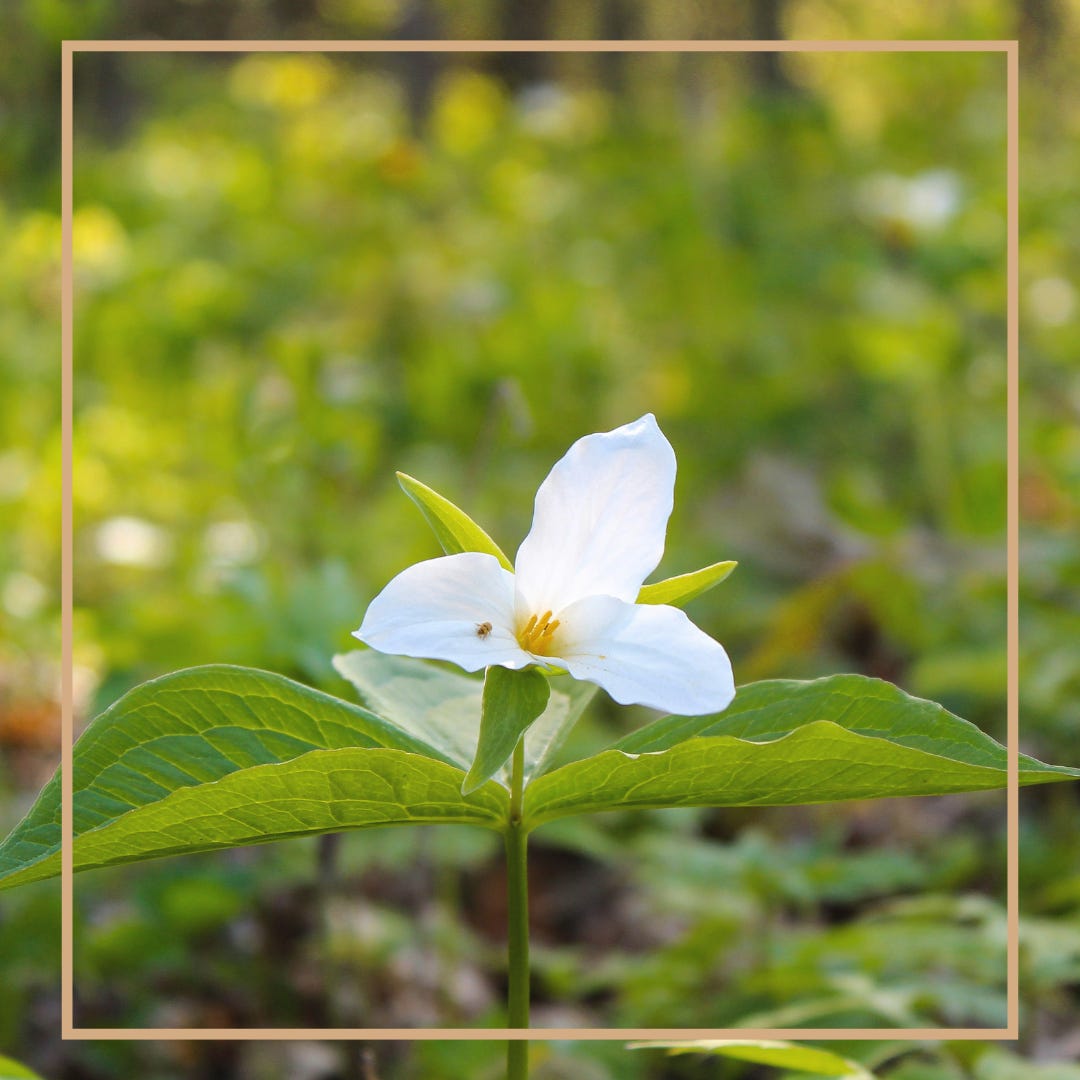
At last, I push past the boundary of trees and walk out into the prairie where the wind batters the grasses low. Though I’m leaving behind the birdsong and the company of spring ephemerals, I feel ready for another march. After pausing in the woods, my energy is renewed. I can wade through unavoidable puddles that stretch beyond the edges of the trail and catch my cap when the wind tries to steal it from my head.
The earth and so many of its people need defenders. Those of us blessed enough to enjoy the privileges of good health, a sturdy shelter, caring companions, and a well-stocked pantry would do well to help those who do not. But the work isn’t easy or finite, and few of us are like kestrels, able to float effortlessly and unwavering between endless obstacles. Rather than dive for cover to ride out the catastrophe of our time, can we find the strength to speak out, stand up, show up, and keep going?
Seeking a moment of calm in nature’s sanctuary, in the presence of its enduring diversity, gives us the strength to face these headwinds. This earthly cathedral is more real than the unnecessarily burdensome culture we’ve contrived and the convoluted values we force upon others. This form of walking meditation is a ritual that anchors me to what matters, in the most tangible physical sense.
If you want to see the world with new eyes, I invite you to join me on my weekly rambles here on Substack, where I share my field notes, observations, and quiet reflections on nature and our place in it.
See you in the comments section!
Cheers,
Emily The Outsider
I write books for people searching for hope, connection, and calm. Sound like you?
Then check out my forthcoming novel, Cupido Cupido, about a teenage boy who spends a summer living on his immigrant grandfather’s farm in rural Kentucky, where he makes an unexpected scientific discovery.
Blending dry humor with emotional depth, Cupido Cupido navigates family estrangement, cultural inheritance, and the complex act of growing up.
Winner of the Sowell Emerging Writers Prize
PEN/Bellwether Prize finalist
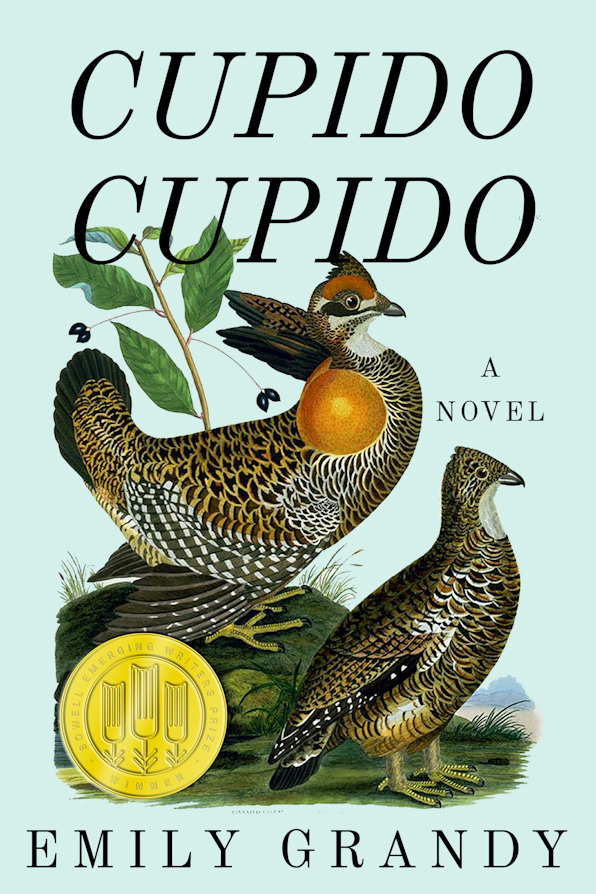
Want to try before you buy? Read the first chapter for FREE when you sign up for my newsletter on my website.


I love what you wrote here, I too "call it my religion". It is my sacred space. I confess I haven't seen a kestrel. On my walk today it was also windy and the trees were full of red winged black birds. I do love them. Also saw a blue heron on the pond. And as you also said we all need "relief from the human-made chaos". Love your observations. (also I ordered Cupido Cupido. )
One of your best. Full of imagry and resilience.
Blasting it out now.