Monthly Reading Roundup: December 2025
The not-necessarily-new books I read last month—and would recommend.

I am a creature of habit, one who feels steadier, mentally and emotionally, when committed to a regular routine. After waking, I begin every day with yoga and a long walk outside, exploring the many unique parks, trails, and habitats we are lucky enough to enjoy here in urban Milwaukee. This time of year, the paths are dusted with snow, the trails compacted to ice. While walking—and when not birdwatching or observing my nonhuman neighbors with intentionality—I always listen to an audiobook. At this time of year more than most, when the wind chill dips below zero and the skies remain pewter gray for days at a time, it can take a little more encouragement to bundle on half a dozen layers and trek outdoors. That’s where a good story comes in. Knowing I have a book to look forward to can encourage me to step outside when the punishing cold seems intent on keeping me indoors.
Although I personally absorb more from physical books and prefer them when I want to digest the prose as much as the plot, I don’t differentiate between the two in this list or hold one in higher regard. I also want to preface this monthly reading roundup by acknowledging that I don’t complete the vast majority of books I start. For one reason or another, be it lazy sentences, undeveloped characters, a boring midsection, depthless themes, or simply a misrepresentative book jacket blurb, I cast most books by the wayside, unfinished. This list, therefore, represents those I have read cover to cover (be they audio or physical copies), and ones I would eagerly recommend to other readers seeking new ways of seeing.
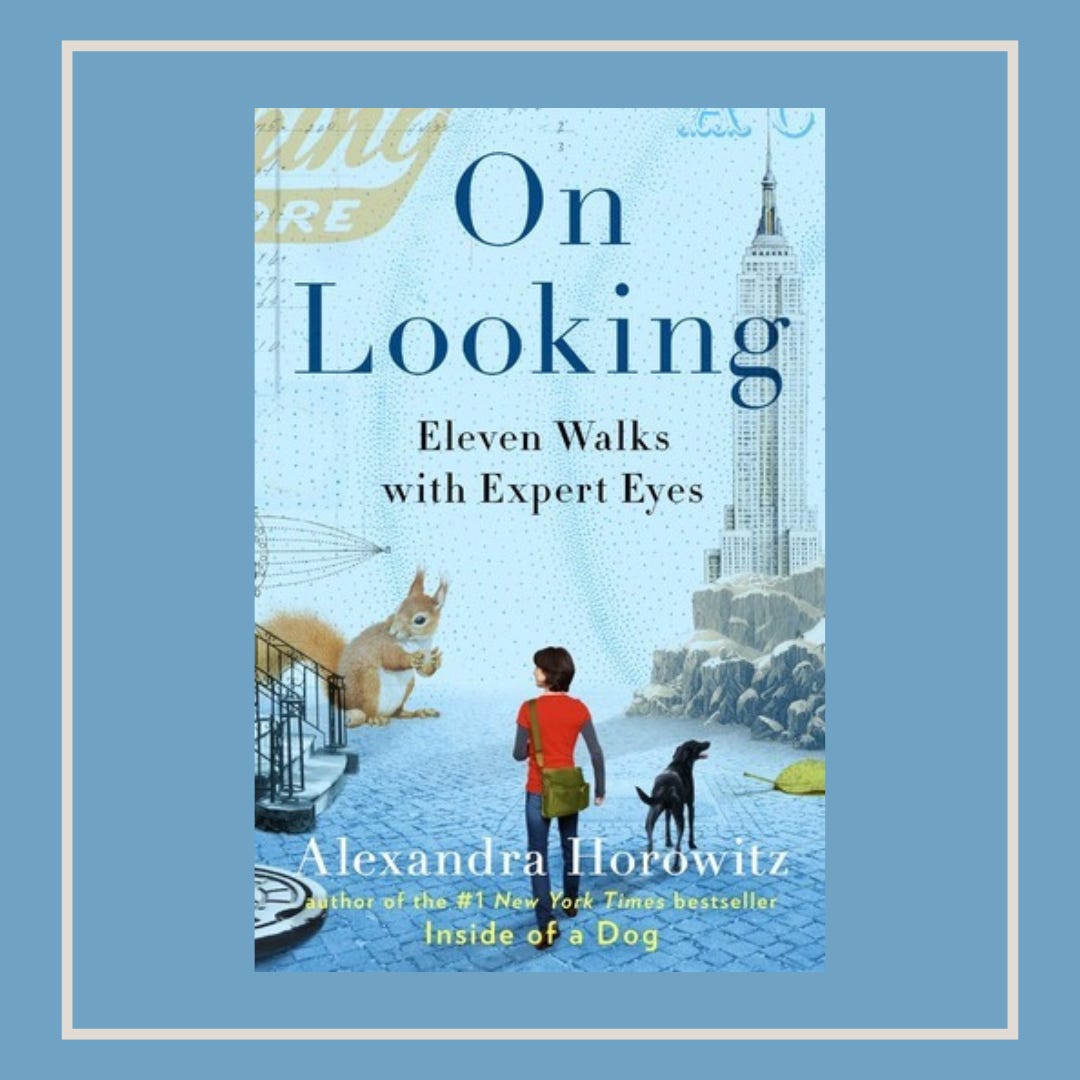
On Looking: Eleven Walks with Expert Eyes, by Alexandra Horowitz
Given my penchant for walking while listening to books, particularly in urban settings, this book held a special attraction. In it, the author joins eleven “experts”, including her toddler, a biologist, a blind woman, a geologist, a clinician, and a dog, on walks around her average New York City neighborhood in an effort to see the block and its inhabitants with new eyes. As someone who walks to observe nature in all its variety, I found these experts’ ability to view a similar patch of city through an entirely different lens refreshing and compelling. The geologist sees the stone our structures are made of, the often incongruous pairings of rocks carved from opposite ends of the globe, and the deep time reflected in fossils still visible in our urban landscapes. The blind woman navigates downtown Manhattan just as capably as any seeing person, using sound cues and other senses to interpret the world around her (she’s also a world traveler). Much like the Shinto religion and many indigenous cultures worldwide, the toddler sees every object he passes as imbued with a living, animated spirit. Each rock and tree and fire hydrant not only has a personality but has its own opinions and desires. His attention is ensnared by the ordinary things adults ignore: the lion statue near the front door, the steaming vent, the line of ants crossing the pavement. The biologist sees life everywhere, in every crevice, every open space. The clinician can spot peoples’ maladies from a block away. On Looking is a forgettable title that does little justice to a remarkable concept. As a writer and environmentalist who encourages others to look closely at our neighborhoods through a naturalist’s eyes, to see the living world wherever we are, I found this book to serve as a keen reminder that every place can be viewed as unique and fascinating, if only we consider it from a different perspective.
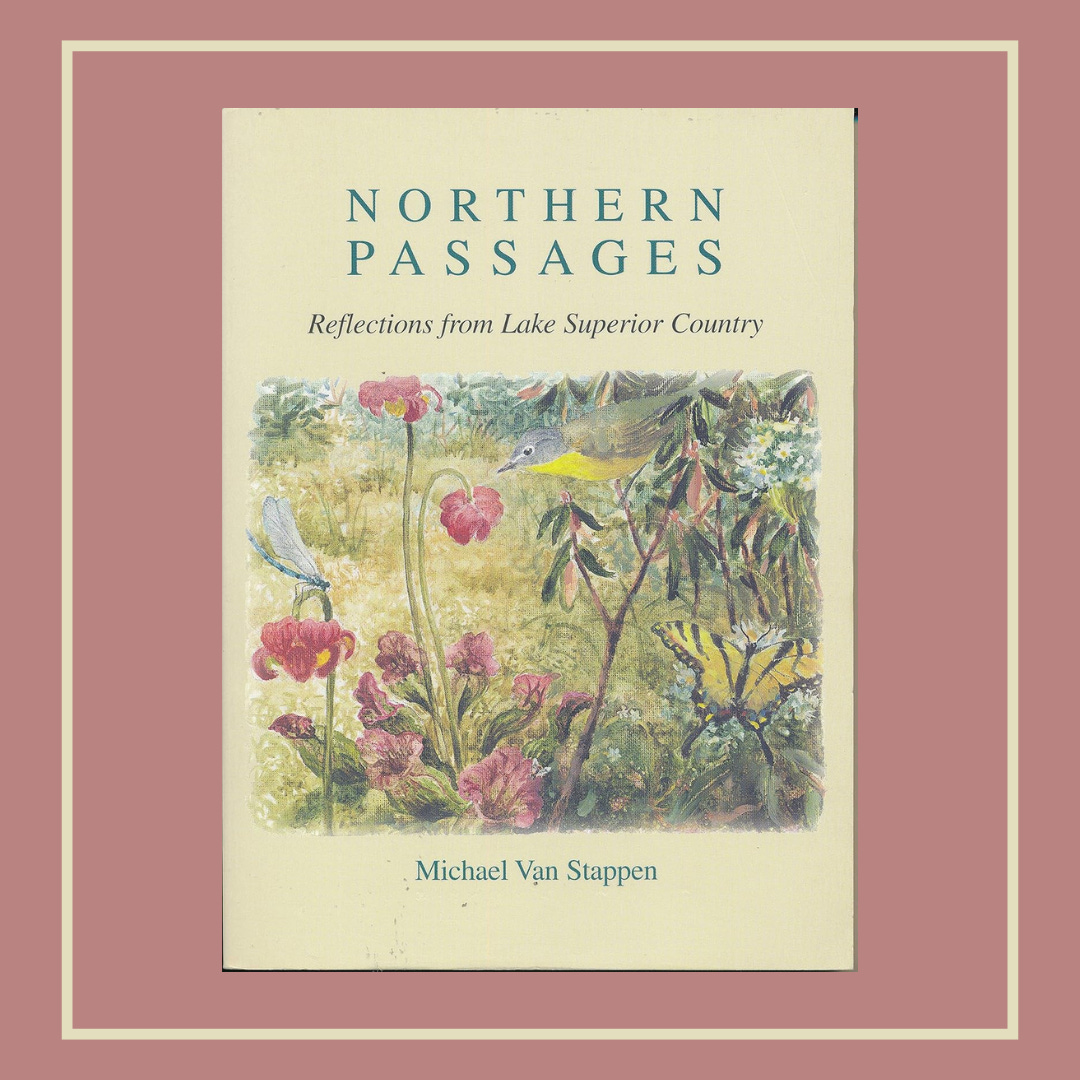
Northern Passages: Reflections from Lake Superior Country, by Michael Van Stappen
In a soothing, seasonal collection of essays, we venture deep into lake country with a biologist intimately familiar with the islands and habitats surrounding Lake Superior. I’m completely envious of the breadth and wealth of knowledge naturalists like Michael Van Stappen possess about the natural world specific to where they live and work. As I’ve written about in other posts, the ability to look at a habitat and name all the species that live there—be they terrestrial or aquatic, to understand the hydrology and geology of the land, to anticipate seasonal comings and goings, these skills unite us with the landscapes we inhabit in ways that anchor us in place. Much like a familiar routine soothes the nervous system by steadying us in predictable sequences, knowing the land and its inhabitants, its seasonal shifts and sways, helps us feel grounded. Each essay in Northern Passages is a journey through nature: to the most remote and inaccessible of the Apostle Islands; amongst the mayflies during their seasonal emergence; and along twisting waterways in canoes or standing quietly beside them with a fishing pole. This book is for anyone living alongside one of our Great Lakes, but especially those who relish the specific, rare beauty of the north country.
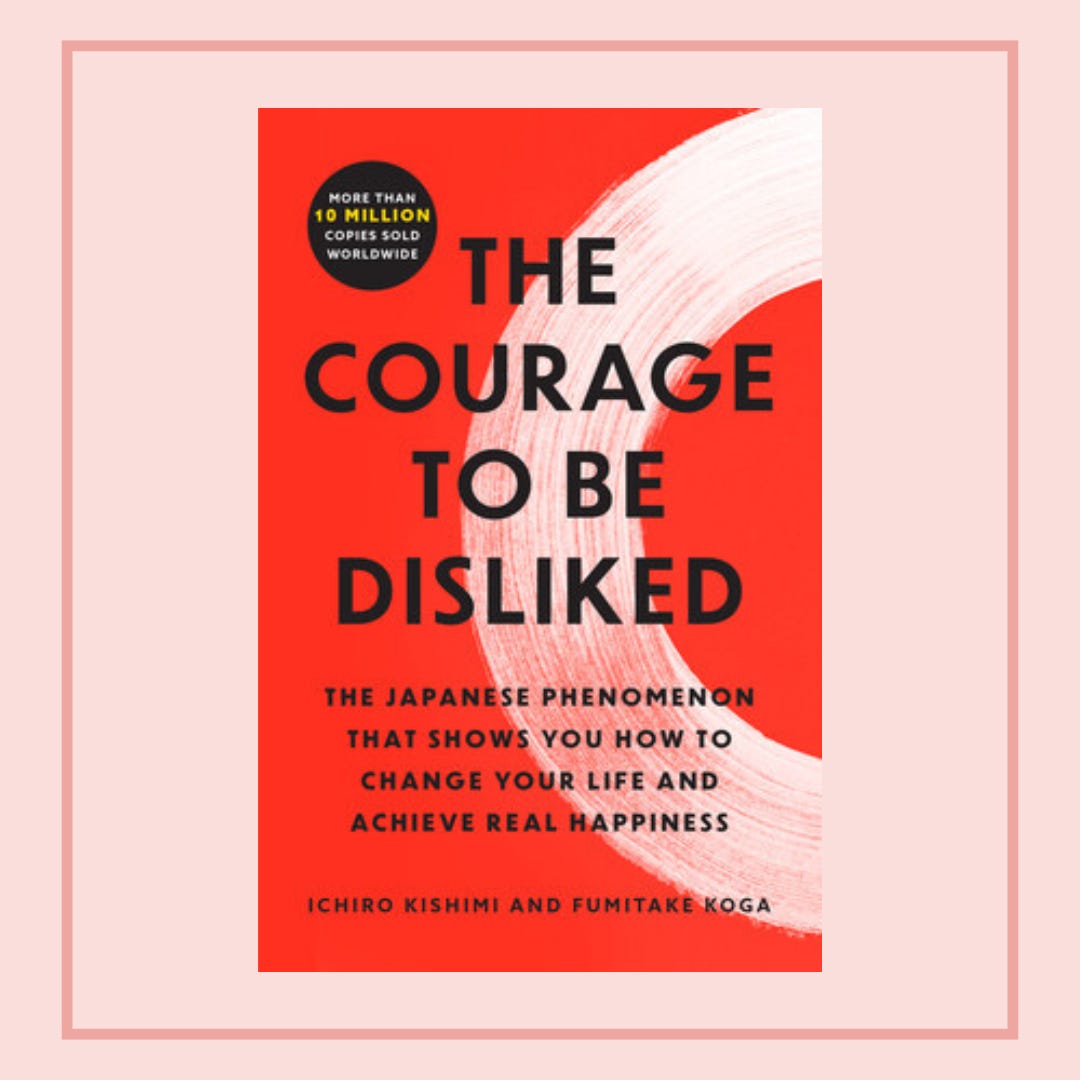
The Courage to be Disliked, by Fumitake Koga and Ichiro Kishimi
This book attempts to unravel common Freudian ways of thinking that undermine our ability to move beyond difficulty and choose an authentic life. This is essentially a self-help book written as a dialogue between a young man and a philosopher, grounded in Adlerian psychology. Chiefly, it aims to untangle interpersonal relationship issues and support readers in finding happiness by freeing us from our past. While some of the examples used feel underdeveloped or lack poignancy, the lessons are easy enough to understand and apply to everyday situations and difficult relationships. I’ve read other books written in a similar style (extended conversations between student and teacher) and which tackle that relationship more deftly, this book doesn’t seek to drive a plot or develop the characters as individuals. The key takeaway is that belonging comes from accepting yourself and not seeking approval from others, a lesson we often hear but may not know how to internalize. This book provides examples and some well-founded reasoning to support that effort.
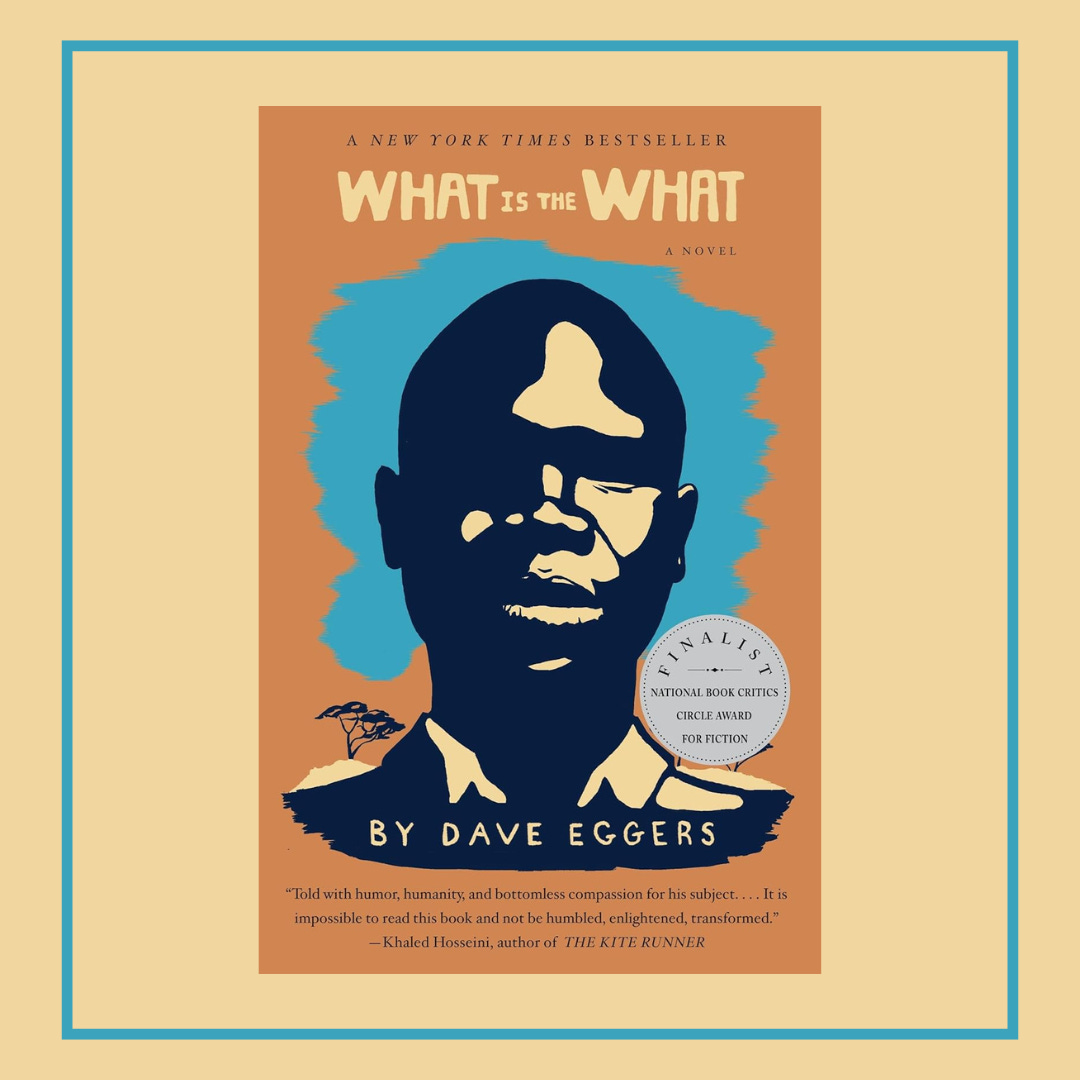
What is the What, by Dave Eggers
A work of historical fiction based on the life of Valentino Achak Deng. The only novel included on this list is really more of a memoire, a compilation of true stories told to the author by the book’s narrator. Considered one of the most important books of the last century, What is the What chronicles Valentino Achak Deng’s epic journey as one of the “lost boys of Sudan” fleeing civil war and eventually immigrating to the United States. The book is organized as two parallel stories: the present, in which Valentino endures a robbery at his home in Atlanta, and the past, in which he compares this invasive event to memories from his childhood in a Sudanese village, the escalation of war, and the migration of refugees to Ethiopia and beyond. No less shocking were his recollections of the challenges of adapting to life in America. Although we are a country of immigrants, new immigrants to the United States remain the wrongful target of hatred and scorn. What is the What offers a stark, clear-eyed view into the perplexing and often disturbing experience of newcomers to America who have already fled unimaginable atrocity. Despite the emotional difficulty inherent to reading this type of story, this humbling book worth the effort if only to discover how the narrator’s optimism and strength of character prevail.
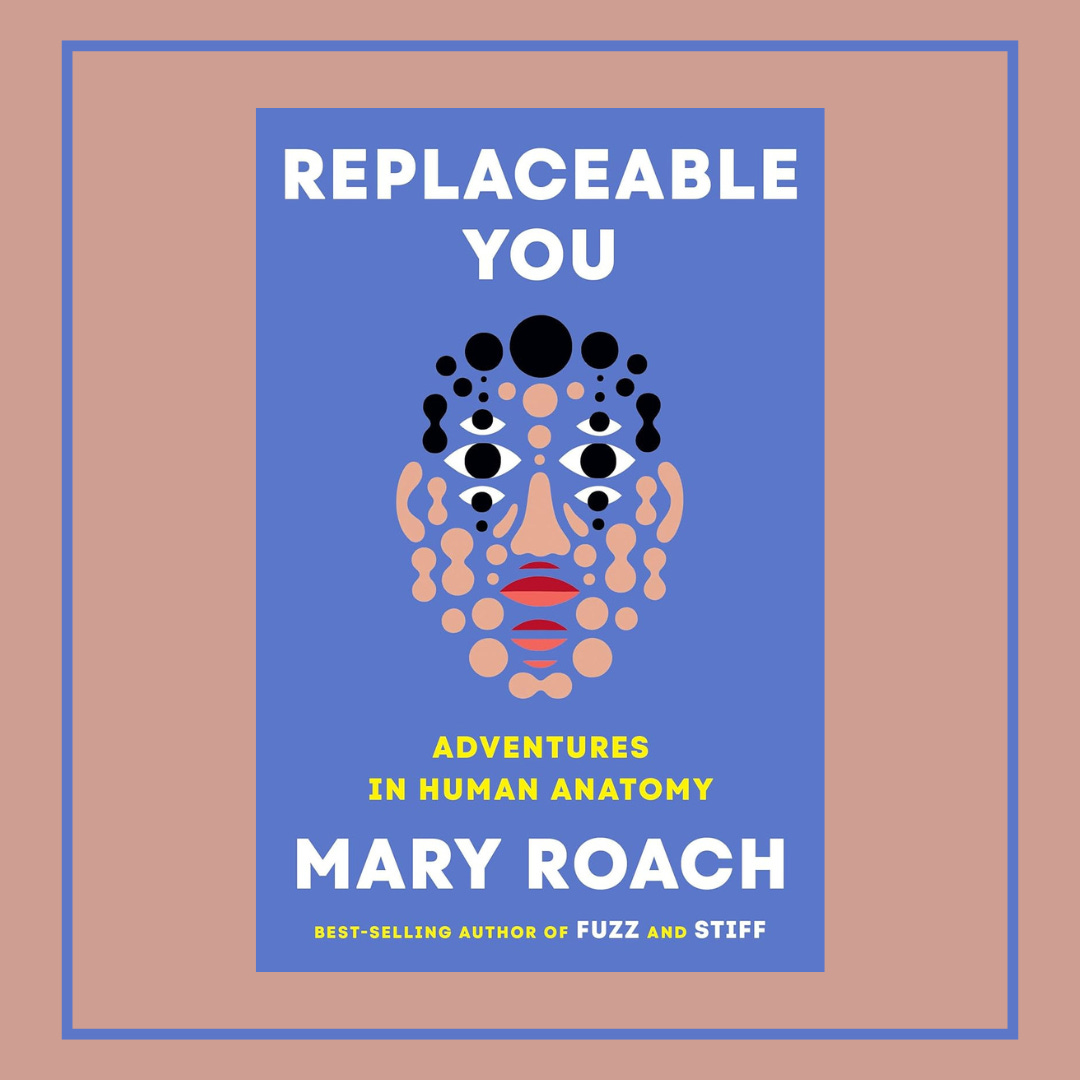
Replaceable You: Adventures in Human Anatomy, by Mary Roach
Mary Roach is one of my favorite nonfiction writers for her uncanny ability to draw humor from the mundane and seek out and poke fun at the absurd in ordinary life. In Replaceable You, she investigates man’s ungainly attempts to rebuild the unimaginably complex human body, covering topics such as artificial limbs, iron lungs, plastic surgery, and organ transplant. The process of fixing what is broken in a living being, one endowed with millions of years of evolutionary tinkering, is always challenging and often surreal. Add to that the author’s gift for inserting herself into awkward situations in unusual locations, drawing lighthearted laughs, makes her books (all on odd, niche topics) a joy to read.
I encourage you to request these books from your local library or order them from a favorite independent bookshop. I hope to include a reading roundup here on Substack once a month going forward.
Thanks Em for this list, and for your calm, open and gracious introduction to each. I’m adding them to my shelf on Libby.
I love the way you toss books aside that don’t deserve a read. I do the same thing, especially now as I constantly compare other’s writing to yours. In fact there is no comparison, really. Only the best of the best can sit next to yours on my bookshelf.