Psychogeography
The importance of noticing how being in a place makes you feel.

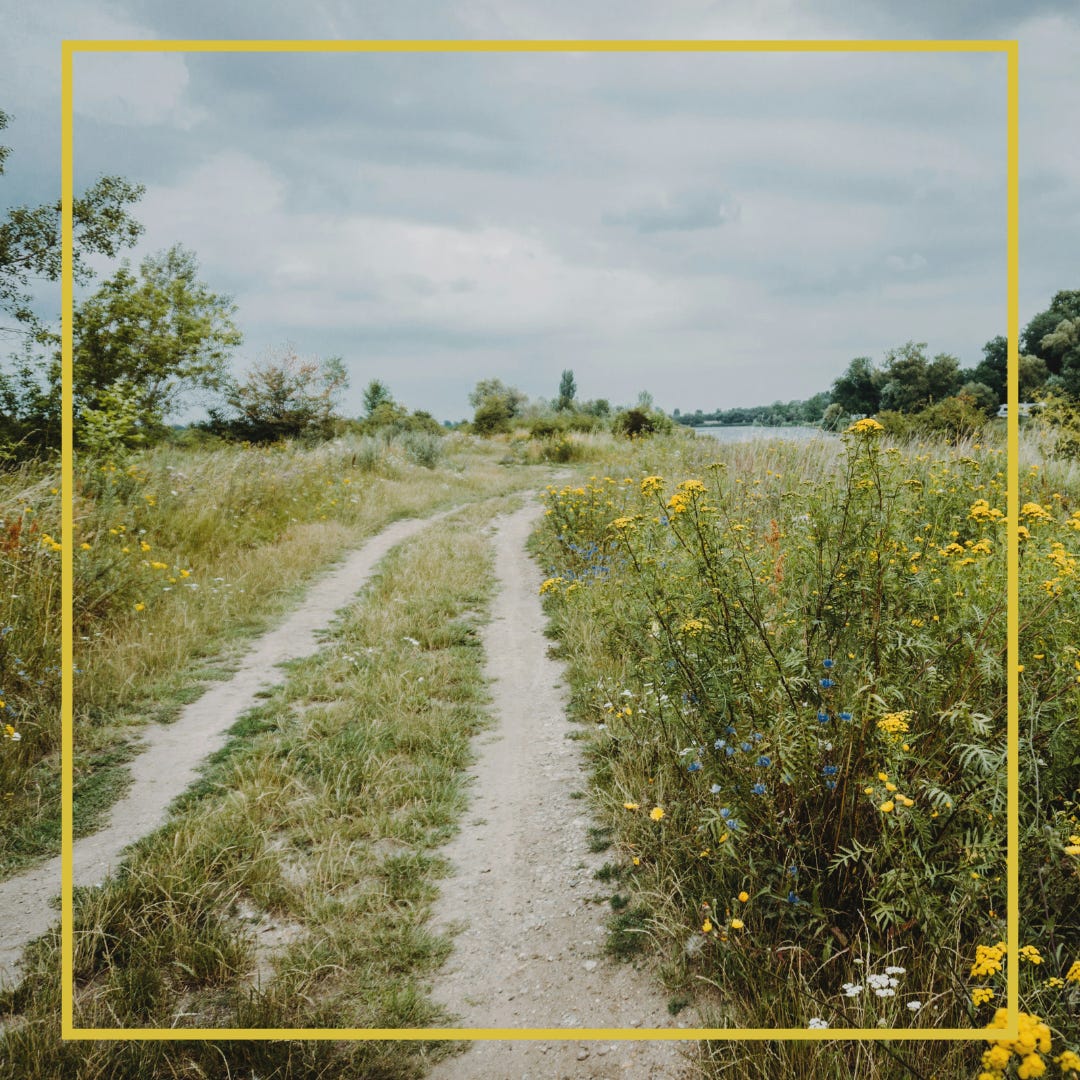
Imagine you are walking along a quiet forest path. Sunlight filters through layers of broad leaves. The air is fragrant, still, and warm. A butterfly alights briefly on a small blossom near the forest floor. In the distance, a wood thrush sings its mysterious flutelike song, reminding you of how far you are from the most obvious signs of human intrusion, though the going is made easier by the hard-packed earth underfoot, a testament to how many have walked these paths before you.
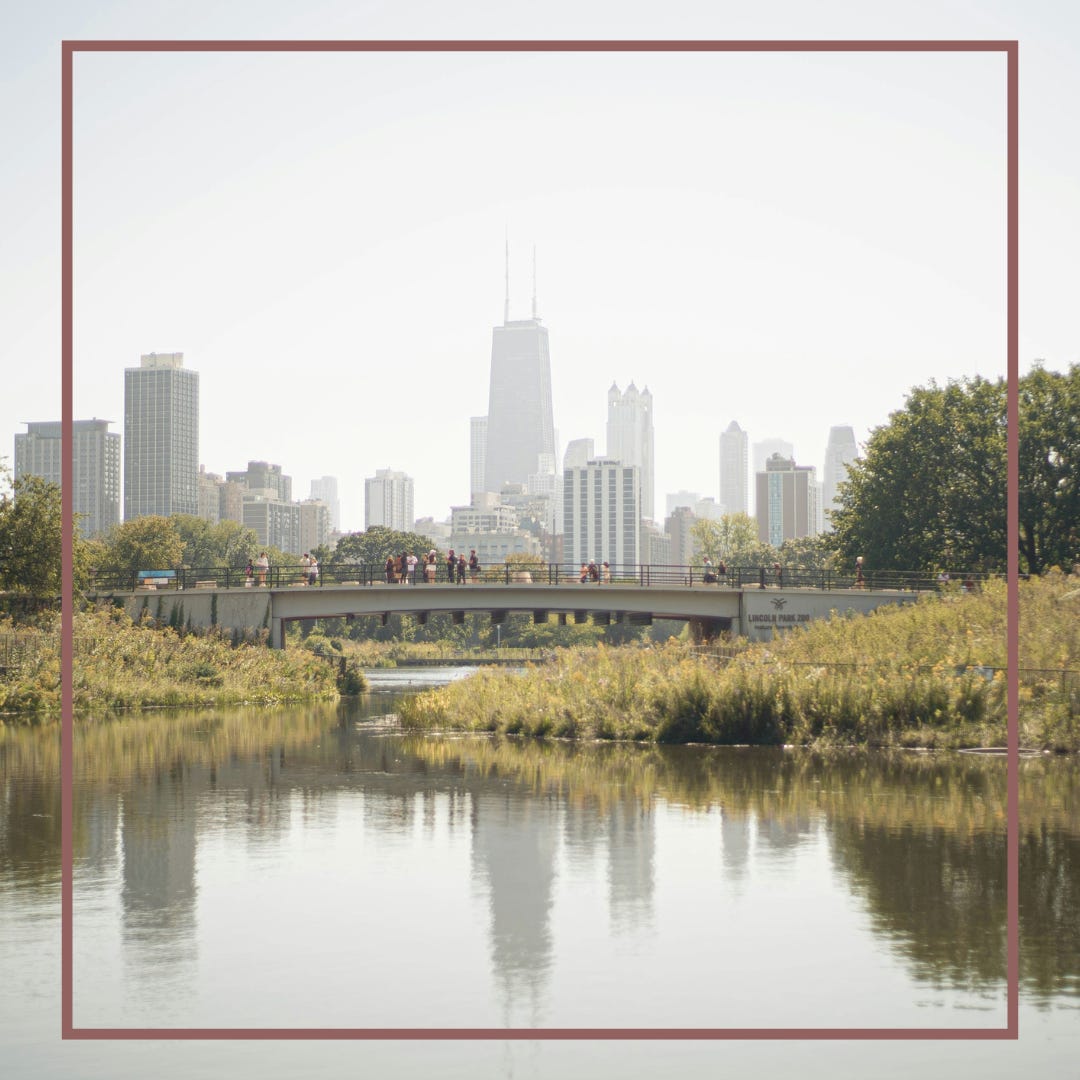
Now imagine you are walking along a city street. Cyclists whiz past in the bike lane, careful to avoid motorists speeding to make the light. Sirens wail and the traffic squeezes to one side to let a caravan of emergency service vehicles pass. Pedestrians jostle you on both sides. Shade is made not by trees but high-rise buildings, walls of darkness interspersed with narrow lines of daylight—marking where garbage-choked alleyways let the sun shine through. The only noticeable wildlife is the pigeons who shuffle over the pavement in giddy flocks, pecking at the rubbish humans leave behind. The concrete underfoot holds the heat of the day long into the night.
An unhurried walk in the woods versus a fast-paced, noisy urban block.
If you are anything like me, these two scenarios provoke very different feelings. One is likely to produce a sense of calm contentment while the other stokes anxiety or even pumps a surge of adrenaline.
Most of us know that spending time in nature has numerous health benefits. It has been proven to lower cortisol (stress hormone), blood pressure, and heart rate, while improving symptoms of depression and anger, and enhancing concentration and focus. To some extent, the calming effect of a forest is attributable to the plants themselves. Trees can perform a sort of magic, releasing organic compounds, known as phytoncides, into the air. Phytoncides are antimicrobial in nature and are emitted by plants to protect themselves from insects, herbivores, and other harmful invaders. Curiously, these essential plant oils also have beneficial effects on people. Not only do they act like calming aromatherapy, they benefit us on a cellular level. When inhaled, phytoncides significantly increase the number and activity of natural killer cells, which fight infections and tumors.
But there are other reasons the places we inhabit—whether natural or man-made—affect us so profoundly. According to writer and psychogeographer Wilfried Hou Je Bek, you form an opinion about a space the moment you step into it. Whether that space is a city street, a college campus, or a specific room in a house, office, or hotel, we are forming judgements—consciously or not—that affect our emotions and behavior.
Psychogeography, as the term suggests, sits at the intersection of psychology and geography. Considered both a theory and a practice, psychogeographers study how being in a place makes us feel and act, but also advocate “drifting” or strolling through a city, walking its edges, wandering into unfamiliar corners to understand its layout and history. Although psychogeography has roots in dadaism and surrealism, exploring how our subconscious and imagination influence our perceptions, there are far more practical implications for examining how we feel about a place.
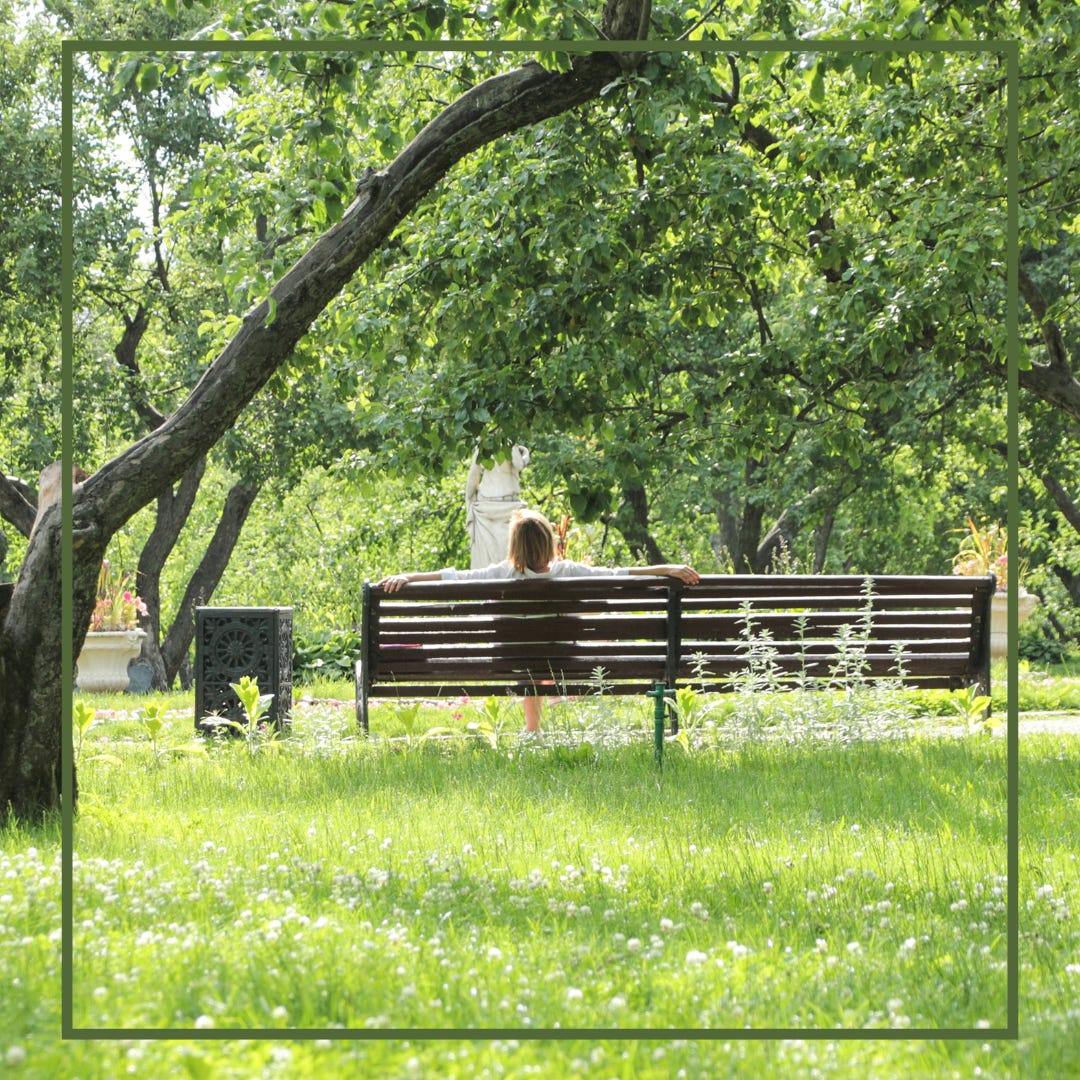
We are likely to hurry along a block of condemned housing units covered in graffiti and stroll leisurely down an old boulevard of tidy homes shaded by mature trees. A palatial foyer in a grand hotel, stacked with marble columns and decorated with gilt gold ornaments, encourages formal behavior. Over time, a windowless office cubicle beneath harsh, artificial lighting is likely to suppress creativity and motivation. The fact that most modern schools are modeled on prison complexes, in which conformity, surveillance, and containment are prioritized, and low-cost materials and construction are favored over nurturing, creative environments, may help explain why most children dislike attending.
Any urban planner, architect, artist, or engineer will tell you that the design of an object, building, or neighborhood profoundly influences not only people’s behavior and emotions, but also the inclusivity of an environment. Design is why industrial parks feel dead and soul-crushing. Thoughtful design is why some cities and hospitals enhance wellbeing, surrounding people in green oases that encourage native plant and animal diversity, while others worsen it.
Out of preference as much as necessity, “drifting” became one of my favorite pastimes, though until recently I did not know the practice had a name or a dedicated following. This tendency to explore places on foot, just for the pleasure of discovering what’s around the corner, has helped me become intimately familiar with each of the cities I’ve lived in. I have learned how roads and neighborhoods intersect, and how development overwrites history. I discovered pocket parks, historic landmarks and street art, vacant lots and urban wildlife. Embracing the spark of curiosity that compels us to wander is the surest way I know of re-enchanting the places we inhabit.
While curiosity has been the primary element driving my well-established walking habit, I inevitably discover routes I want to revisit again and again. The parks, trails, ravines, and riverwalks in my neighborhood and beyond are the places I return to, day after day, season after season. Wherever wildlife thrives is where I find the most peace, belonging, and contentment.
But access to safe, walkable areas is often unequal. According to JSTOR Daily, “Many of the issues we face from climate change to the crisis of loneliness to racial and class injustice are deeply connected to the physical world and our interactions with our immediate surroundings. This can be seen in the redlining of communities of color through decades of discrimination or the planning and placement of working-class communities in the direct path of industrial pollution.”
While environmental issues driving climate change and biodiversity loss are of urgent, critical importance, these problems tend to feel distant from the problems most people face in everyday life. This is where the concept of environmental justice comes in, the idea that all people and communities—regardless of race, color, national origin, or income—have the right to live in safe, healthy environments. This is how we bridge the gap between environmentalism and people’s daily concerns. As I wrote in a recent MJS opinion, “Well-maintained green spaces are not only environmentally essential, they are socioeconomic equalizers that enhance property value and attract residents to a neighborhood. Access to green spaces has been scientifically proven to reduce health inequity, improve mental and physical health, and reduce stress and associated healthcare expenditures.”
How we feel about where we live also plays a significant role in how we treat the lands we inhabit. People are more likely to want to spend time in a thriving green space, where they can sit beneath shade trees, take their children to a playground, or walk their dog. From urban edgelands to public lands, people will protect and defend the places they love. We are unlikely to cherish a landfill, stagnant reservoir, or corporate industrial park.
Notably, the lessons of psychogeography extend both ways. Knowing that clean, walkable neighborhoods interspersed with healthy native vegetation and wildlife brings us a sense of belonging and encourages us to spend time outside should alert us to the fact that our land use and urban design choices matter. When every last wood lot, every tiny grassland, every little waterway and family farm is “redeveloped” into a gas station or fast-food parking lot or a sprawling, uniform housing development, we sacrifice everything that makes a place attractive and unique. Understanding that the reason for this sacrifice is purely economic short-term gain and a pervasive car-centric culture (note that spending time virtually anywhere else in the world will demonstrate how absurd and unfounded America’s car-centric culture is) means we can put pressure on our local representatives, HOAs, and other neighborhood organizations to make different choices that center the wellbeing of people and nature over profit and business interests.
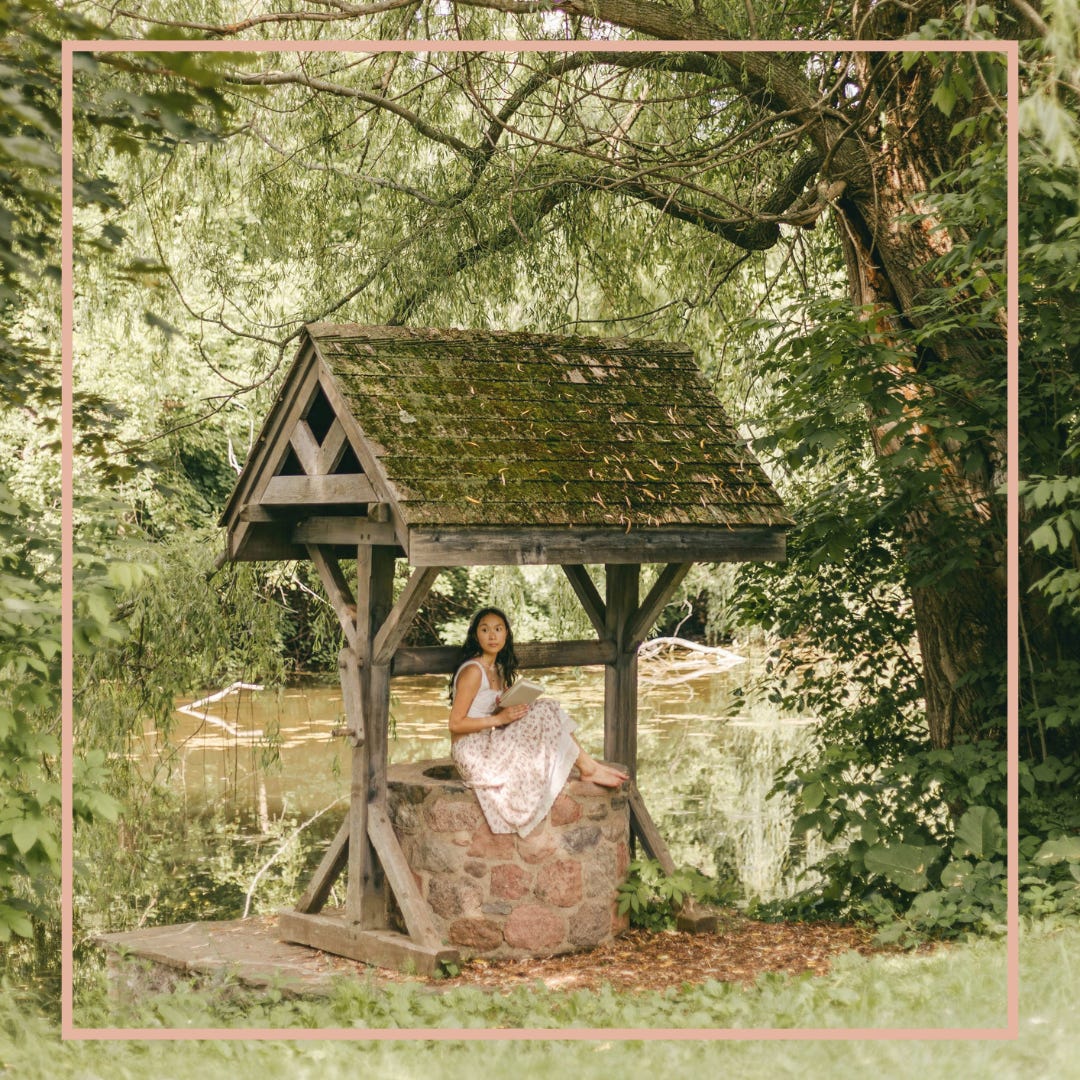
In my very first essay here on Substack, I asked the question that is central to all my writing: “How do you teach someone how to love the land? Not just the remote wildernesses featured in glossy magazines and in pleas for environmental protection and requests for funding, but the places we actually inhabit.” An appeal to fear won’t inspire care, nor will laws, or a sense of duty, shame, or guilt. Only love will.
Tuning in to how we feel about the places we love might be the guidepost we need to figure out how to reconnect with and re-enliven those we don’t. Not everyone will want the same things but generally designing cities and neighborhoods people want to live in requires a human-centric approach that prioritizes walkability, mixed-use neighborhoods, and vibrant public spaces over car-centric infrastructure. Key elements include creating “15-minute” neighborhoods where amenities are accessible by walking, biking, or public transit, and fostering community through density, and designing for safety. Ensuring equitable access to nature facilitates mental restoration, encourages physical activity, and provides a sanctuary for well-being. Regular, even brief, exposure to green or blue spaces acts as a crucial, evidence-based tool for improving numerous measures of health and enhancing overall life satisfaction.
Justice demands we do better. But it may be personal fulfillment and a desire to boost our own happiness and wellbeing that actually drives us to consider how we feel about and treat the places we live.
See you in the comments section!
Cheers,
Emily The Outsider
Love spending time outside? Then check out my forthcoming novel, Cupido Cupido, about a teenage boy who spends a summer living on his immigrant grandfather’s farm in rural Kentucky.
Cupido Cupido tackles two of the most contentious subjects of our time—species extinction and immigration—and confronts them with compassion and curiosity.
Winner of the Sowell Emerging Writers Prize
PEN/Bellwether Prize finalist

Want to try before you buy? Read the first chapter for FREE when you sign up for my newsletter on my website.