

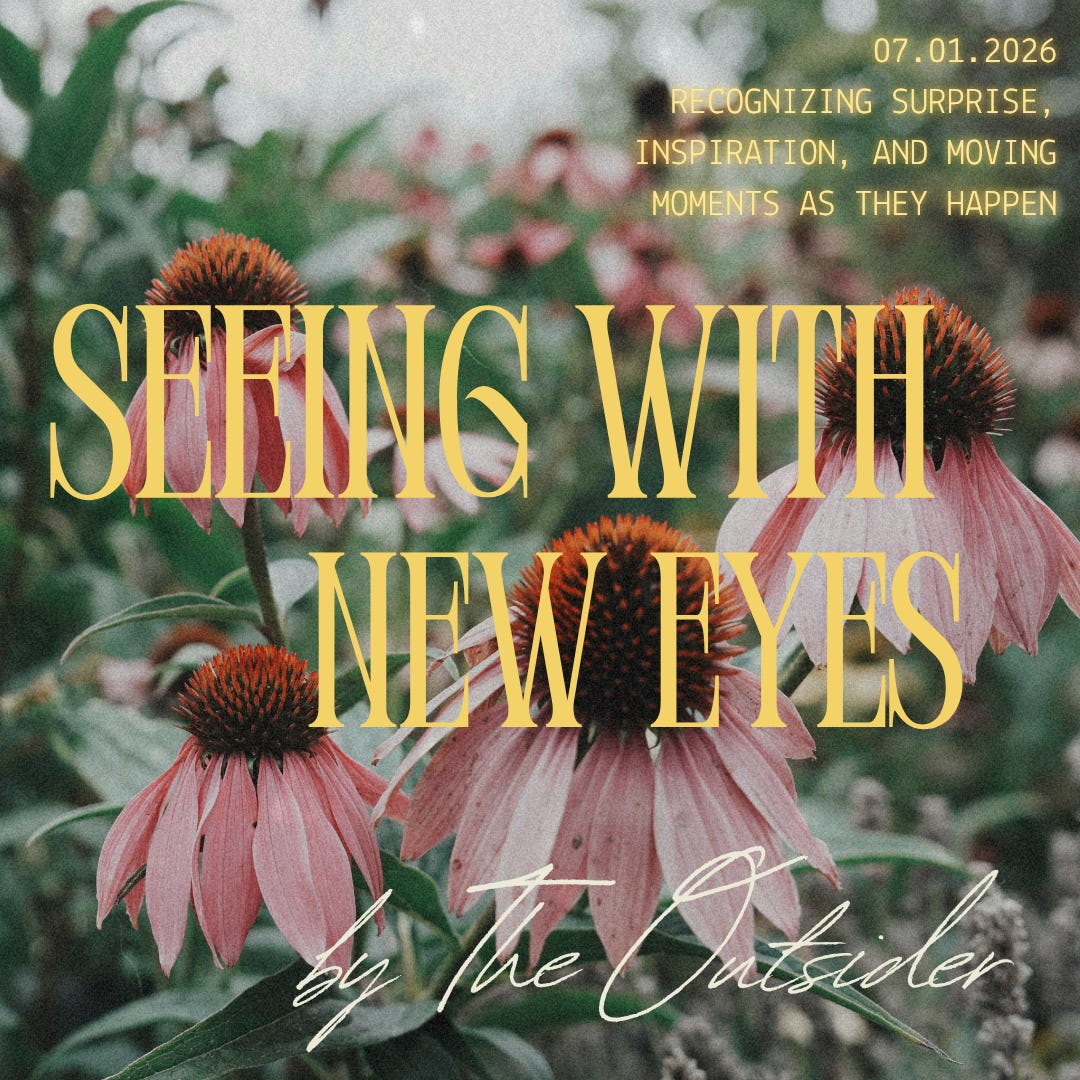
Seeing With New Eyes
Recognizing surprise, inspiration, and moving moments as they happen.

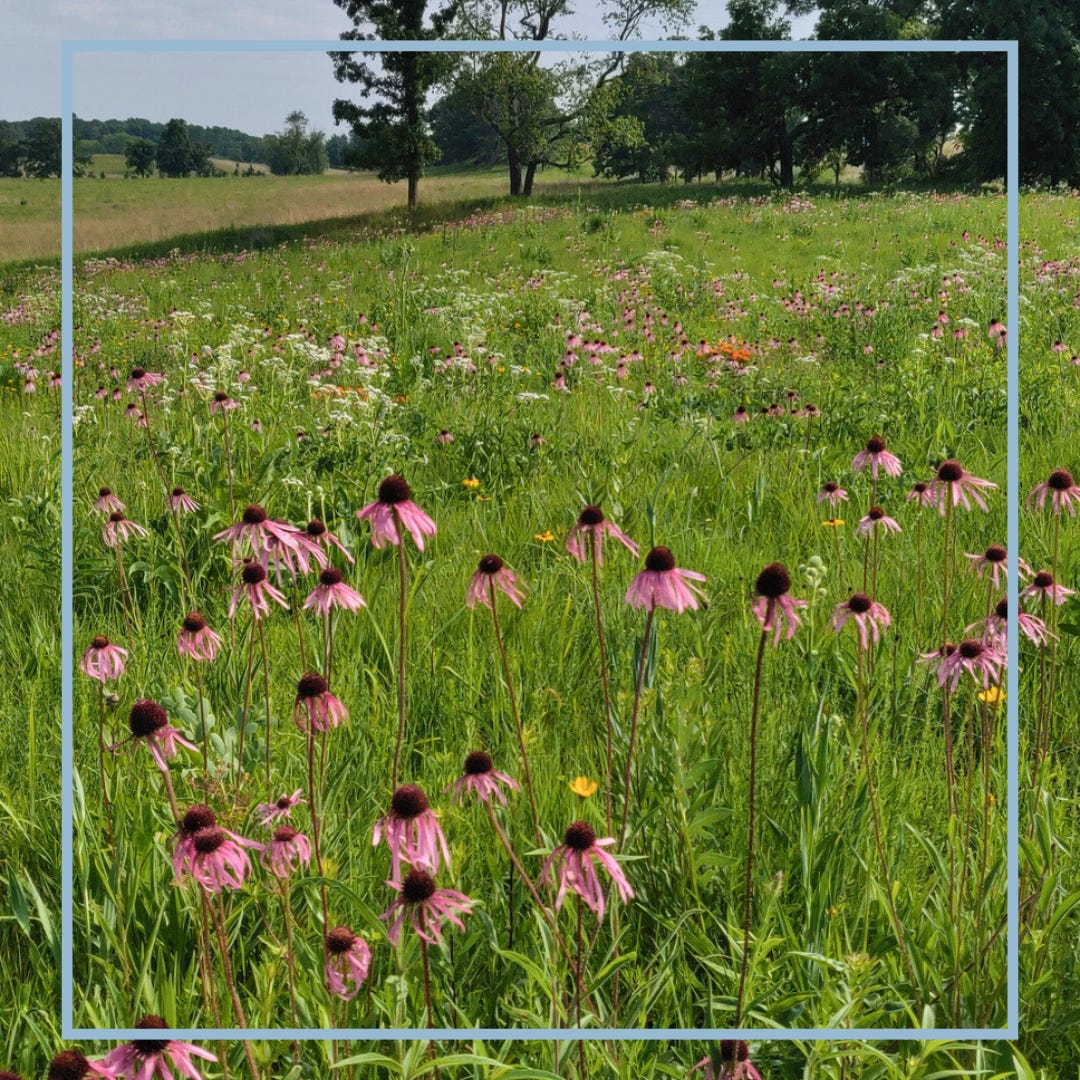
Across a sea of waving grasses, thousands of coneflowers rise like bubblegum-pink flags. White tufts of wild quinine appear strewn over the landscape, like lace handkerchiefs blown from a basket of freshly laundered garments. Clusters of butterfly weed, as tropically orange as an oriole, are so vibrant they appear ornamental, plucked from another habitat entirely. Above it all, the dense, sweet fragrance of milkweed scents the air, its rich perfume as attractive to us as it is to the monarch and fritillary butterflies skipping between blossoms.
I follow the meandering trails that weave through the patchwork of wildflowers. Summer is the best time to view a Midwest prairie. Each month, a new show is playing. Within a few weeks, the pinks and whites of echinacea, milkweed, quinine, and rattlesnake master will be replaced by a loose carpet of purple prairie clover above which tower yellow forbs, like compass plant, yellow coneflower, goldenrod, and prairie dock.
As many time as I’ve seen this transitional display, it never feels dull or routine.
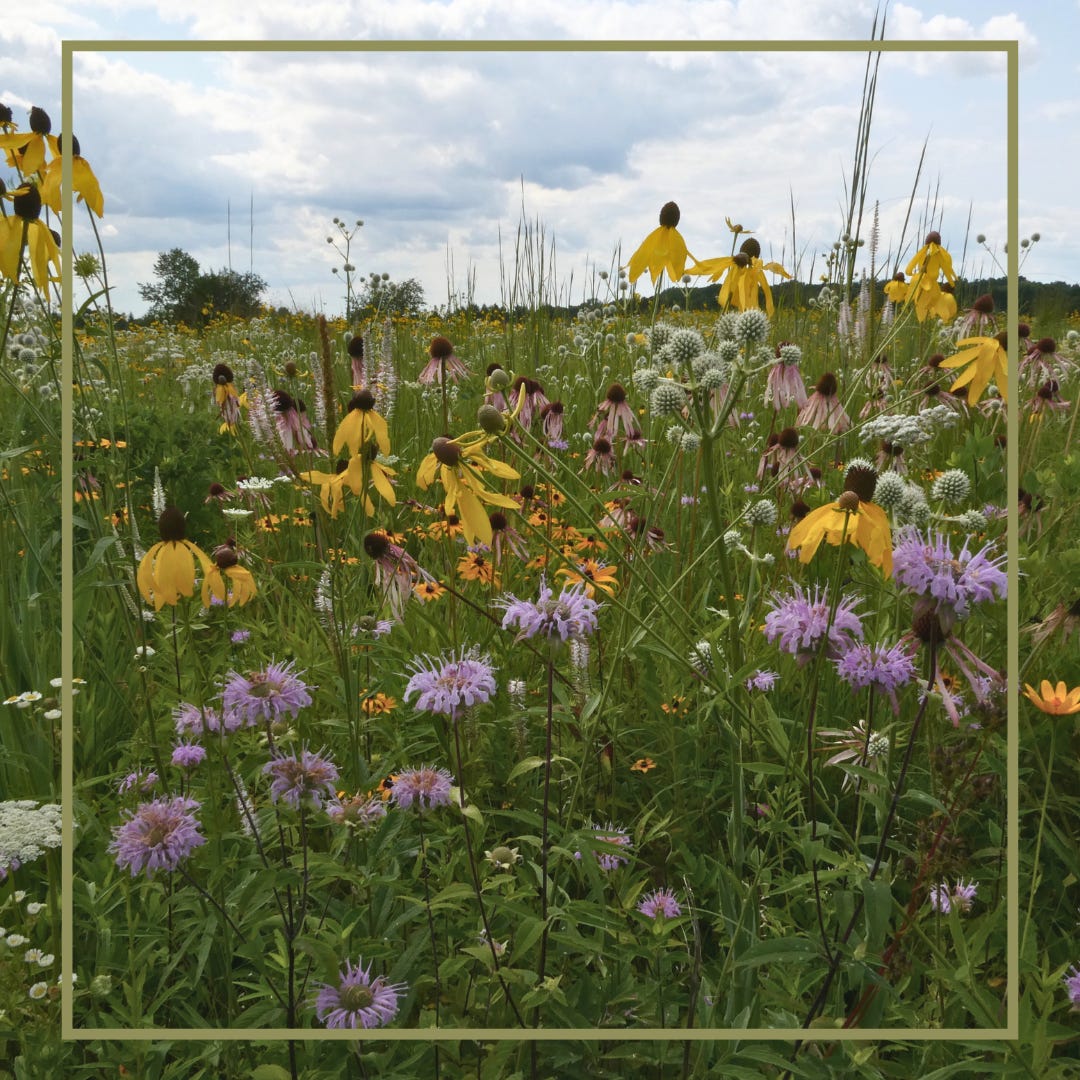
The radiant, cacophanous display of wildflowers is only my first reason for visiting, however. The wind is soft, barely breathing. I listen, hoping to hear some of the rarest songs in North America.
But on this warm day, already several weeks into their summer mating season, the birds are quiet. I wonder whether their silence is a testament to a successful brood, a small, new family on the way…or an absence.
Grassland birds, species like meadowlarks, bobolinks, and prairie chickens who need wide open spaces in order to reproduce, are among the most rapidly declining species in the country. We humans, naturally, are to blame: habitat destruction due to extensive development and fragmentation of native prairies for the sake of intensive agriculture and urban expansion are the leading causes of species decline. The conversion of diverse pastures and hayfields to corn and soybean monocultures destroys nesting grounds. Early and frequent mowing ruins nests and kills chicks. Pesticides used in industrial scale agriculture kill vital insect food sources, while climate change and extreme weather event pose growing risks to nesting success.
Tallgrass prairies once covered over 2 million acres of Wisconsin, alone. Today, only about 12,000 acres remain, less than 0.5%. In some areas, such as Illinois and Iowa, less than 0.1% of original prairie survives, making prairies—and the species that rely on them—among the most endangered on earth. Remaining remnants are highly fragmented. Only small, isolated patches (usually less than 10 acres) remain in places like pioneer cemeteries, steep bluffs, and sites originally set aside a century ago for rail lines and military use. And they’re still disappearing faster than conservationists can protect them.
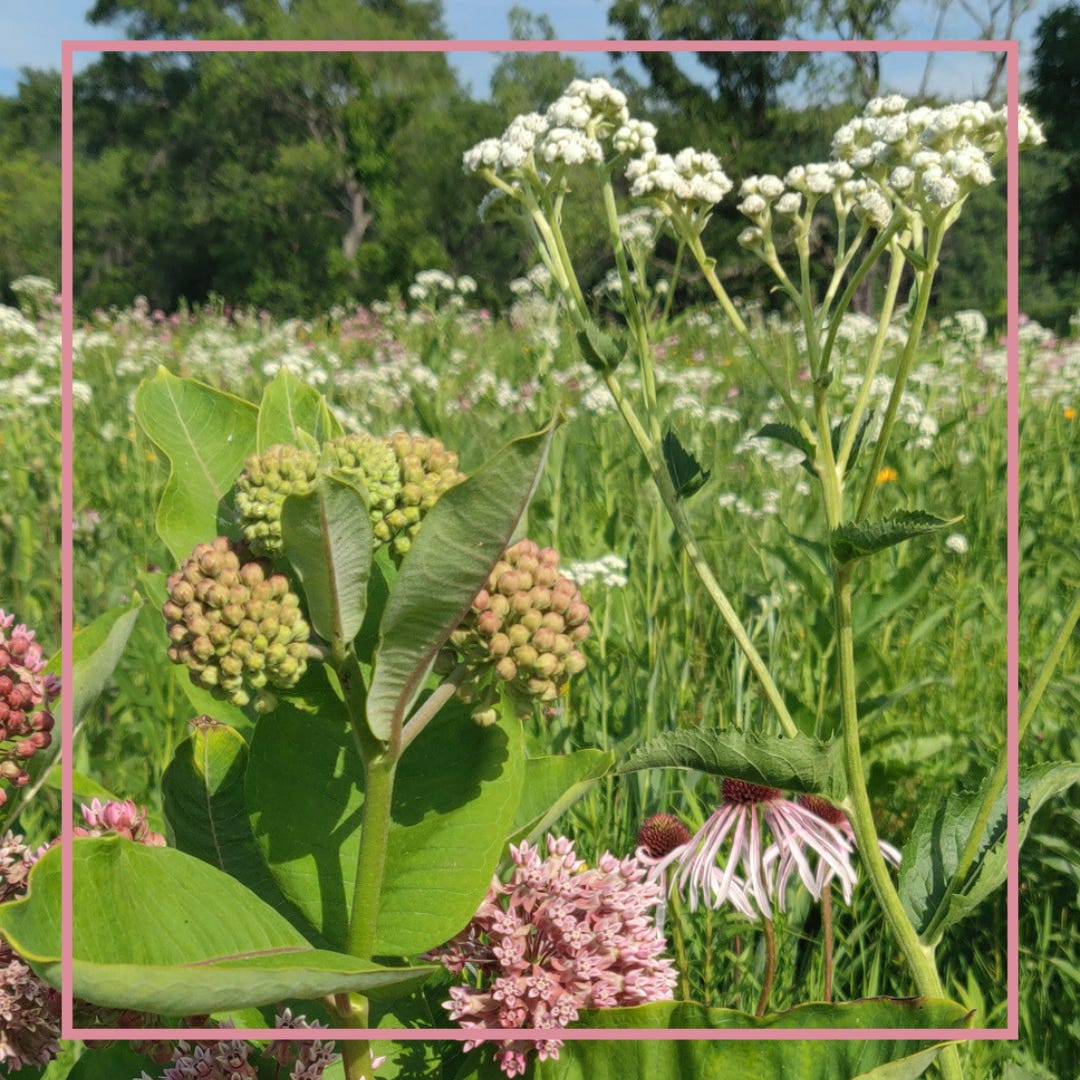
Yet hope remains in places like this, where the land has been restored to a modern mimic of its former wholeness. This park’s reconstructed prairie features about 65 documented species of native grasses and wildflowers. While this level of diversity is high for a recreated plot, prairies with ancient, undisturbed remnants can easily support three- to four-hundred native plant species because the seed bank has remained unbroken for thousands of years.
Exceptionally high species diversity is a touchstone of the healthiest, most complex, and intact ecosystems. Learning to recognize what makes a place healthy and whole will undoubtedly be a challenge for the upcoming generations of people who never grew up knowing the difference, but I suspect it will be the key to unlocking healthier, more interconnected communities.
I keep walking, hoping to hear the telltale songs.
A year ago, I walked this loop many times, counting upwards of a dozen Clay-colored sparrows in a single afternoon, based on their subtle buzzy song, a sound that always reminds me of the thrum of an electric fence. Rarer still are the Henslow’s sparrows, a highly endangered, difficult to find bird thanks to its preference hiding in low-growing, weedy grasses, its camouflaging plumage “the color of a summer hayfield,” and its almost nonexistent little hiccup of a call.
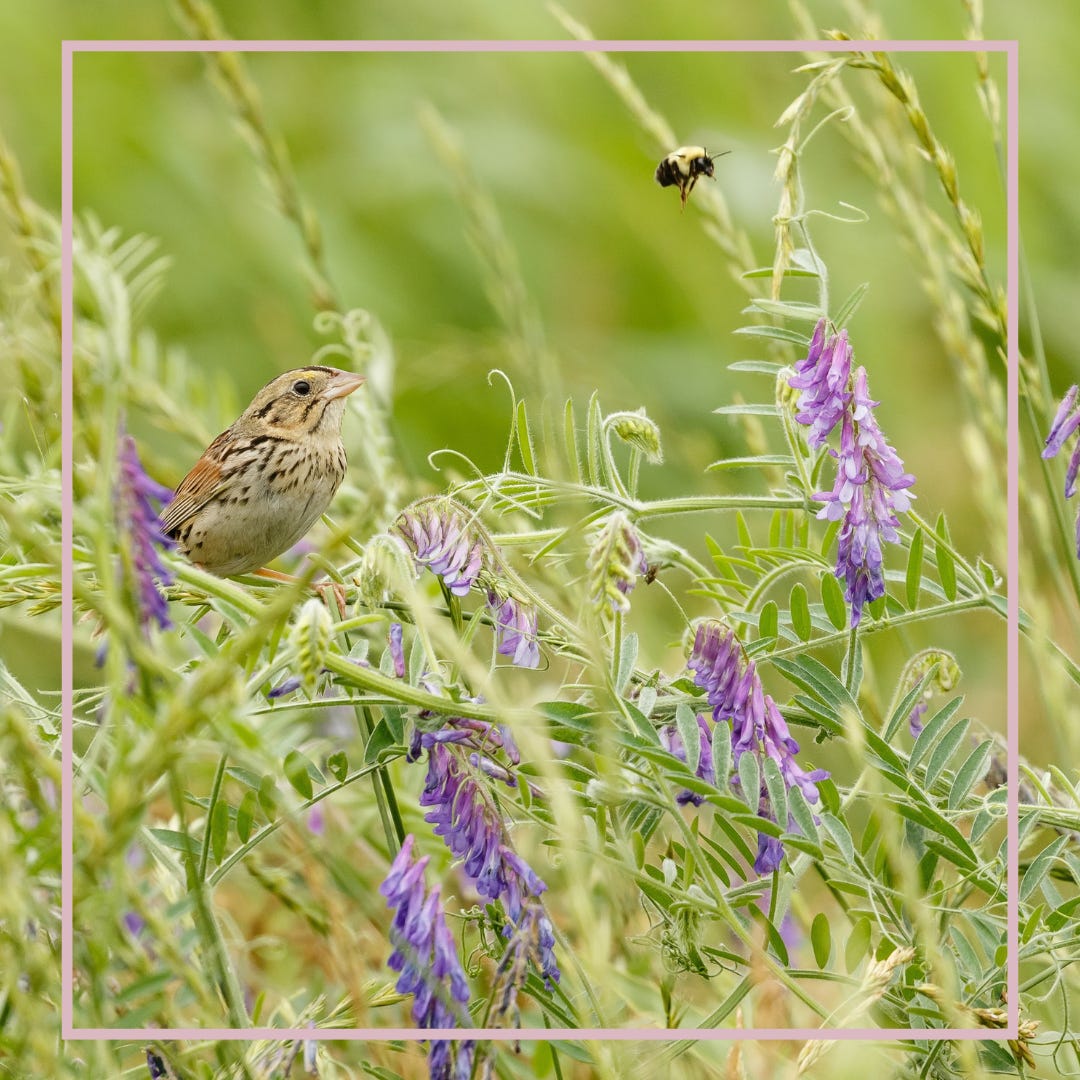
photo credit: Henslow's Sparrow, by Karen Brown/Audubon Photography Awards
But I hear neither of these unique calls in the places I expect to find them. Disappointed, I pause to admire and photograph the elegant echinacea, instead. Then, standing still, I hear it. Less than fifty feet from me, that feeble hiccup. Then another, twenty feet further to the right. Then a third directly behind me. I sigh with relief; for now, this special bird is still here, still singing.
I have yet to see a Henslow’s. They rarely lift off the ground, preferring to flee predators, like me, by running through the grass. Five years ago, I didn’t even know they existed. I knew nothing about the relationship of sparrows to grasslands, or even monarchs to milkweeds. Two years ago, I wouldn’t have known the Henslow’s call from all the other sparrows that look, to a novice, all very much the same.
Proust famously said that the voyage of discovery is not about seeking new vistas but having new eyes. Anyone who has tried to learn a new skill, trade, or branch of science has experienced something of this. Through learning, an entire continent of previously unknown wisdom and tradition emerges, a catalogue dating back through history and across cultures. Vast is the breadth and depth of our ignorance; great the opportunity for personal education.
As tantalizing as the idea of learning something new is, many of us are already too overwhelmed by responsibilities and can’t commit to a deep dive. Luckily, there are ways of tapping into that mindset without the intensive effort.
In her profoundly insightful book, My Grandfather’s Blessings: Stories of Strength, Refuge, and Belonging, the author and cancer physician, Dr. Rachel Naomi Remen, recommends a different approach. We already have the power to see with new eyes, all we need to do is shift our focus onto life’s daily miracles.
She assigns her patients a task: at the end of each day, relive the events of the day considering their answers to the following three questions:
What surprised me today?
What moved or touched me today?
What inspired me today?
She advises her patients to take just a few minutes to jot down their responses; no formal, lengthy verse is needed here. Many of these are doctors themselves, challenged and overwhelmed by their profession, or individuals with life-threatening illnesses. Namely, people who have every right to worry and complain. And yet this simple exercise has remarkable effects. Not only do these people begin to recognize the magic all around them—in the strength of caregivers, in the beauty of nature and music and art, in the deep love of family and friends, among countless other examples—but they begin to notice it sooner and more often. Rather than at the end of the day, this exercise trains the mind to recognize surprise, inspiration, and moving moments as they happen, not just after the fact.
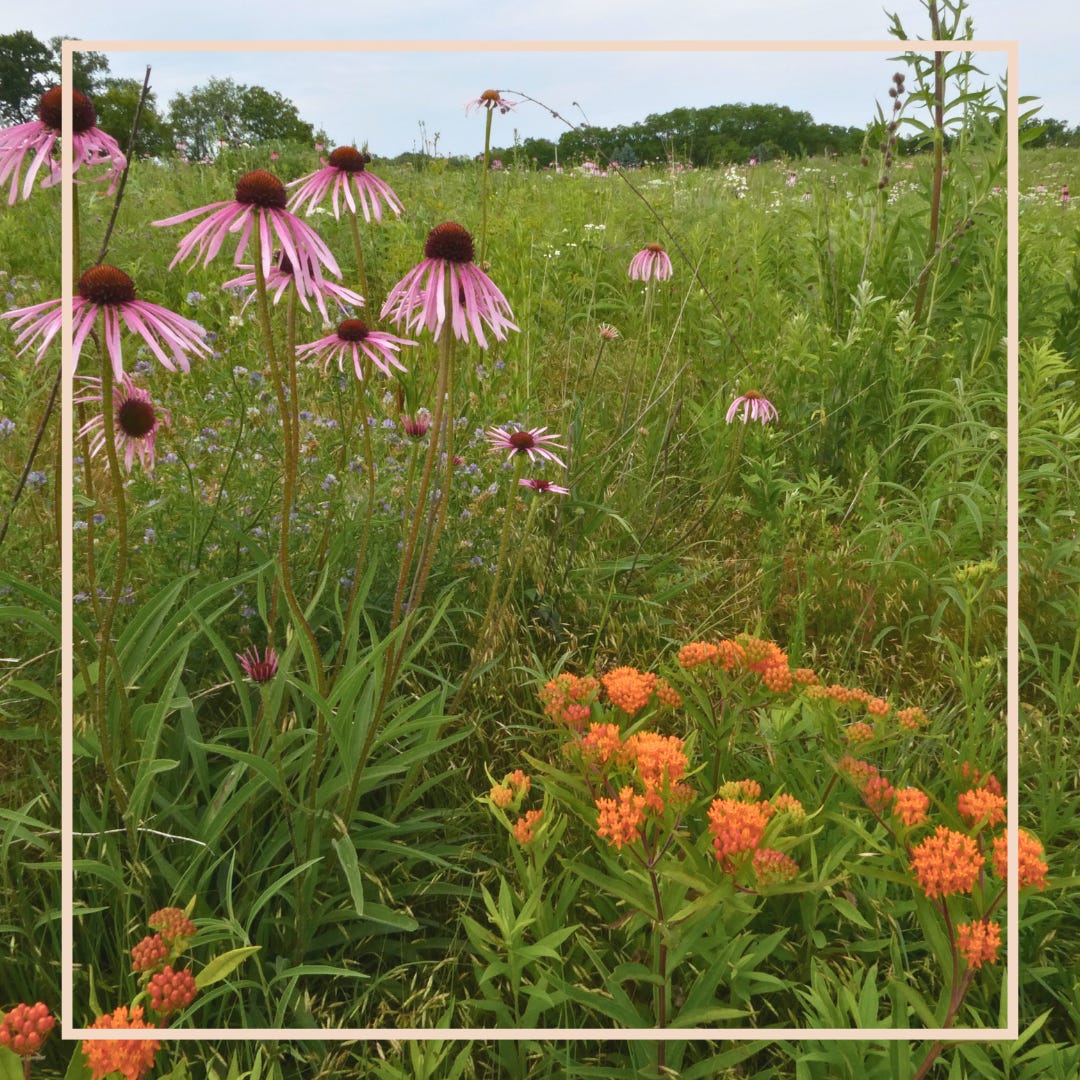
Although I enjoy the long process of studying the infinite amount there is to learn about our native ecosystems, local history, and the influence of geologic time, I find even more clarity in moments of pure presence. Marveling in the uniquely colorful display of a summer prairie. Finding wonder in nature’s music, in birdsong and the chirping of crickets. Giving thanks for a commitment-free afternoon. To walk slowly, finding joy and mystery in the simple act of exploration.
Undivided attention, even if only to the details, might feel like a small gesture, but it is the lens through which we might see new vistas. Focused attention on everyday miracles—the love of a partner, a rare birdsong in a quiet prairie—might be what reshapes our view of the world, and restores our relationship to the earth and to each other.
See you in the comments section!
Cheers,
Emily The Outsider
I write books about people’s connection to the land where they live and learning to connect with nature, often for the first time.
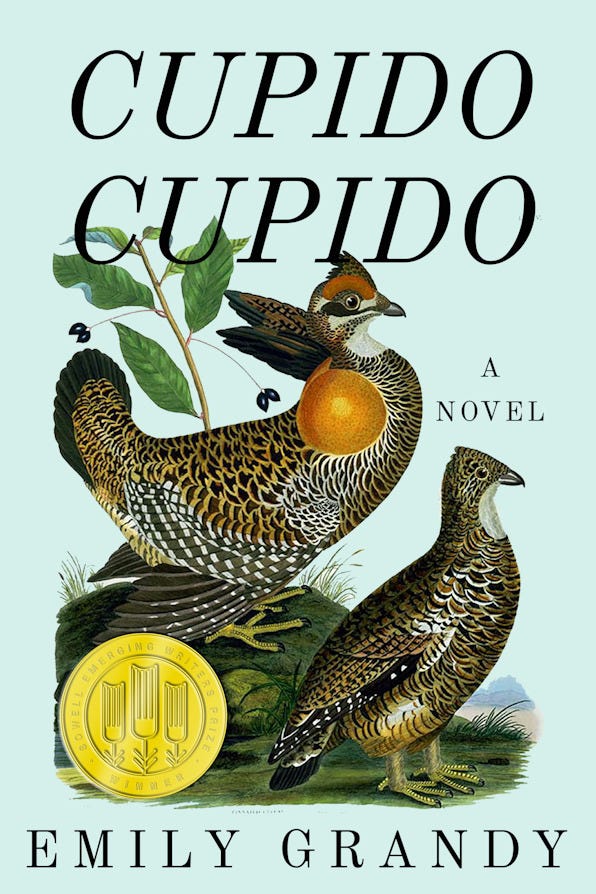
“Cupido Cupido is quietly affecting, the kind of novel that slowly builds emotional weight until you’re completely pulled in. What appears at first to be a familiar coming-of-age setup unfolds into something far more resonant: a meditation on cultural inheritance, ecological intrigue, and the painful intimacy of family silence.” —Goodreads review
Thank you so much for this breath of fresh air. I needed this today. Actually I need this every day, so I'm going to keep it open, and when I see it, I'll be immediately reminded of it's beautiful, powerful message that brings a heart warming tear.
I loved reading this with "new eyes". Love the reminder to be present which obviously helps our eyes see what we may have been missing, especially in nature. And I really like Dr. Remen's 3 questions to ponder at the end of the day. Thank you for sharing this. (and thank you Proust also). :)